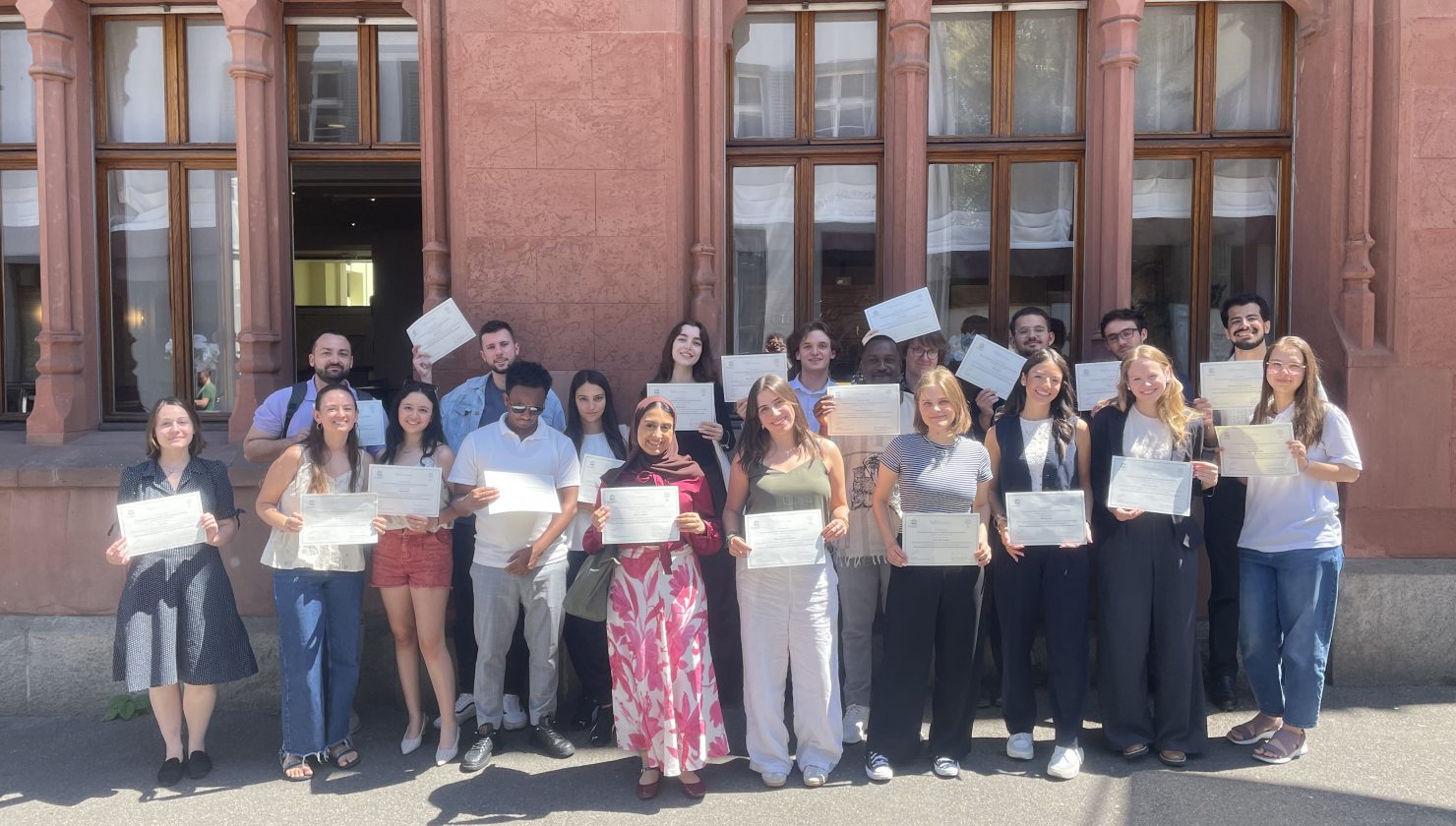
The 2026 edition of the International University for Intercultural Leadership (IUIL) took place at the University of Basel in Switzerland. Organized by Project Aladdin in partnership with the University of Basel and UNESCO, and with the support of the Swiss Ministry of Foreign Affairs, it brought together students from partner universities across Europe, the Middle East and Africa under the theme “Hate Speech, Antisemitism and Racism in the Age of AI-Empowered Disinformation.”
This year’s participants were British, Cameroonian, Colombian, Egyptian, Emirati, Ethiopian, French, German, Iranian, Israeli, Italian, Romanian, and Swiss, representing diverse cultural, religious, and national backgrounds. In light of the war in the Middle East and the heightened geopolitical tensions that have marked this year, the organizers decided to scale down the number of participants from the customary sixty-five students. This allowed the program to be conducted in an environment that best ensured meaningful dialogue and the active engagement of all students.
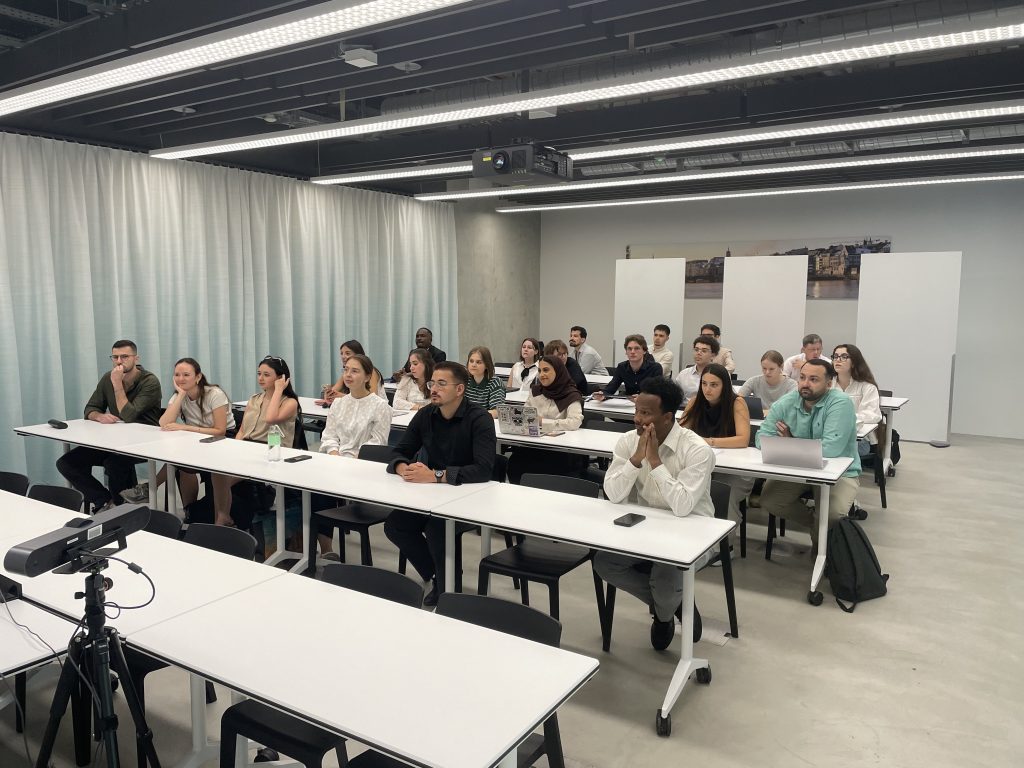
Students examined how artificial intelligence is reshaping democratic debate, public administration and higher education. Sessions explored the governance of AI, algorithmic transparency, online hate speech, information warfare, responsible innovation, children’s rights in digital environments, environmental governance and the role of universities in preparing future leaders for rapidly changing technological societies.
The academic program brought together scholars and practitioners from leading universities, international organizations, and journalism. Professor Gerd Kortemeyer (ETH Zurich Rectorate and AI Center Associate) examined how artificial intelligence is transforming learning, assessment and knowledge production in higher education. Professor Roland Bouffanais (University of Geneva) introduced students to computational diplomacy and the dynamics of collective intelligence. Dr Eva Thelisson, Founding Director of the AI Transparency Institute, discussed transparency, institutional trust and democratic resilience in the age of artificial intelligence. Dr Ricardo Chavarriaga, Head of Responsible AI Innovation at the Zurich University of Applied Sciences (ZAHW), presented current approaches to balancing technological performance with ethical responsibility in the development of AI systems. Professor Tali Gal (Hebrew University of Jerusalem) explored children’s rights and restorative justice in the digital age. Professor Nidhi Nagabhatla (United Nations University) explored the relationship between artificial intelligence, environmental sustainability and global governance. Dr Aurore Schwab (Global Studies Institute, University of Geneva) analyzed the role of media narratives in shaping perceptions of international affairs across both traditional and digital spaces. Yves Kugelmann, publisher and journalist, examined the impact of disinformation, antisemitism and conspiracy narratives on democratic societies. Finally, Renaud Girard, Global Affairs Columnist at Le Figaro, geopolitical analyst for LCI and professor at Sciences Po Paris, drew on decades of reporting from conflict zones to explain how historical ignorance, information warfare and the accelerating circulation of online disinformation undermine democratic debate and manipulate public opinion. His session generated a particularly lively discussion as students questioned him on the role of social media and new forms of journalism in shaping public opinions during international crises.
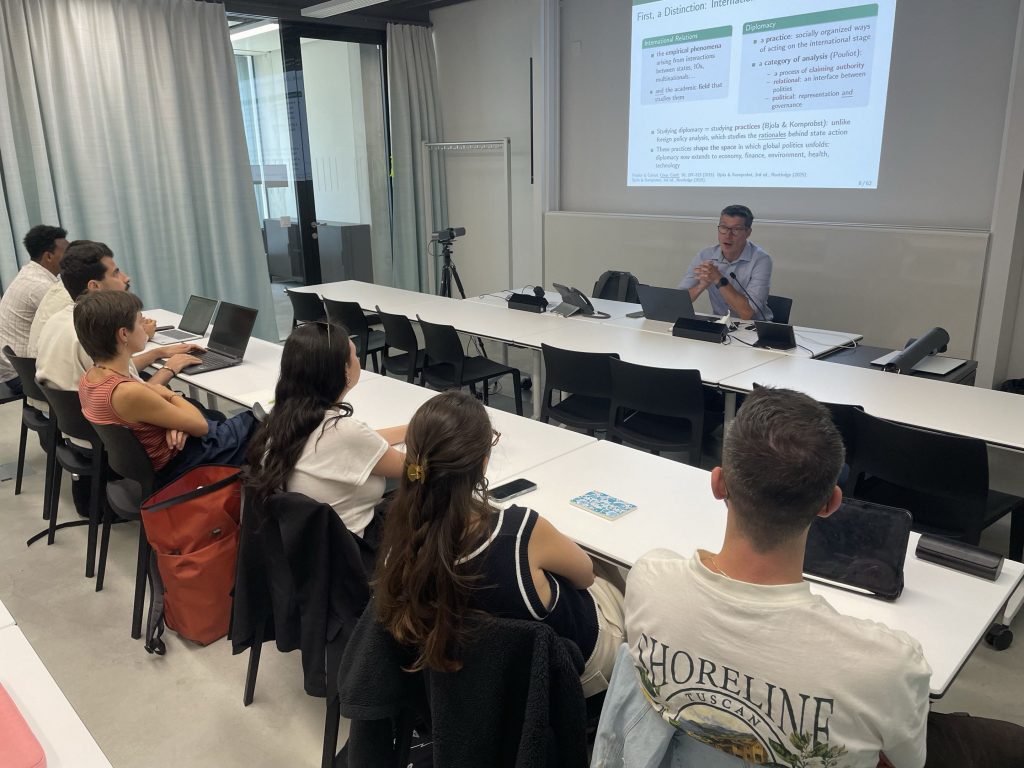
Professor Roland Bouffanais
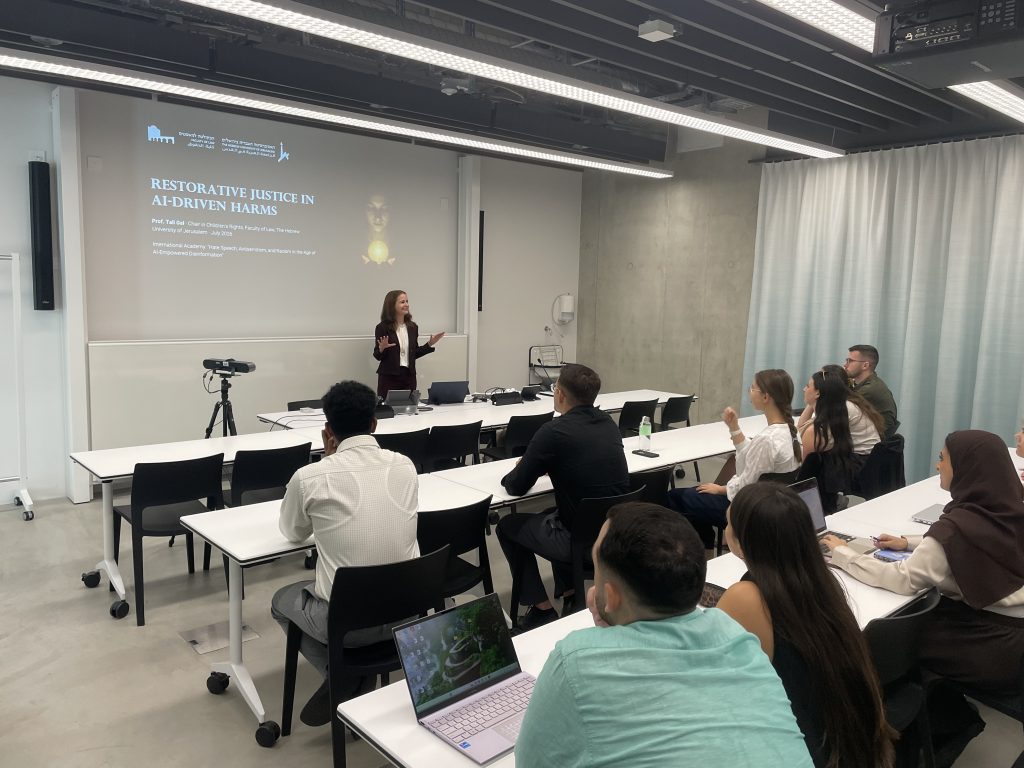
Professor Tali Gal
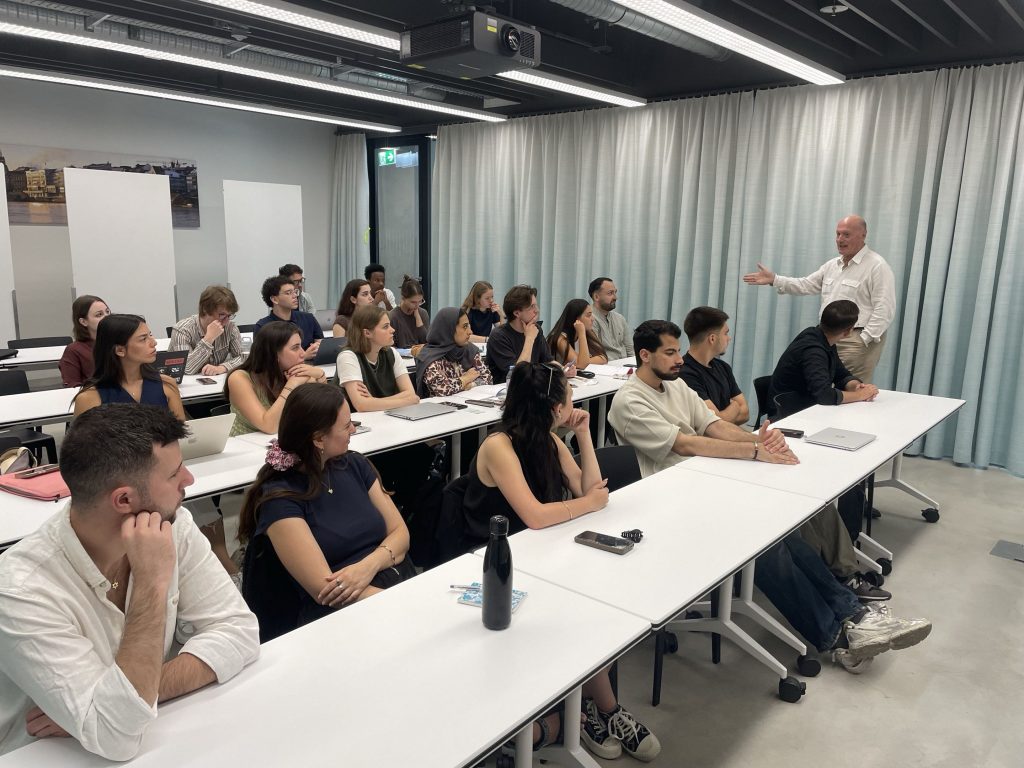
Renaud Girard
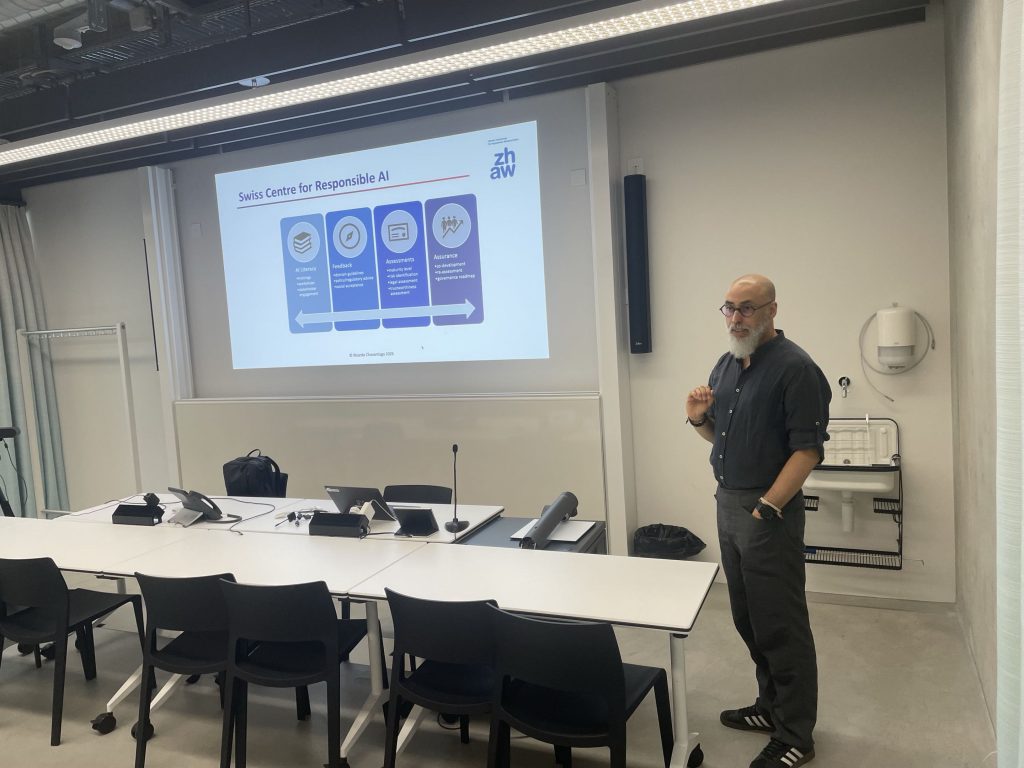
Dr Ricardo Chavarriaga
The program also welcomed Ambassador Wolfgang Amadeus Brülhart, Switzerland’s Special Envoy for the Middle East and North Africa at the Swiss Federal Department of Foreign Affairs, for a dedicated discussion with the participants. Students questioned Ambassador Brülhart about Switzerland’s role as a mediator, diplomatic dialogue in the Middle East and the practical challenges of conflict prevention.
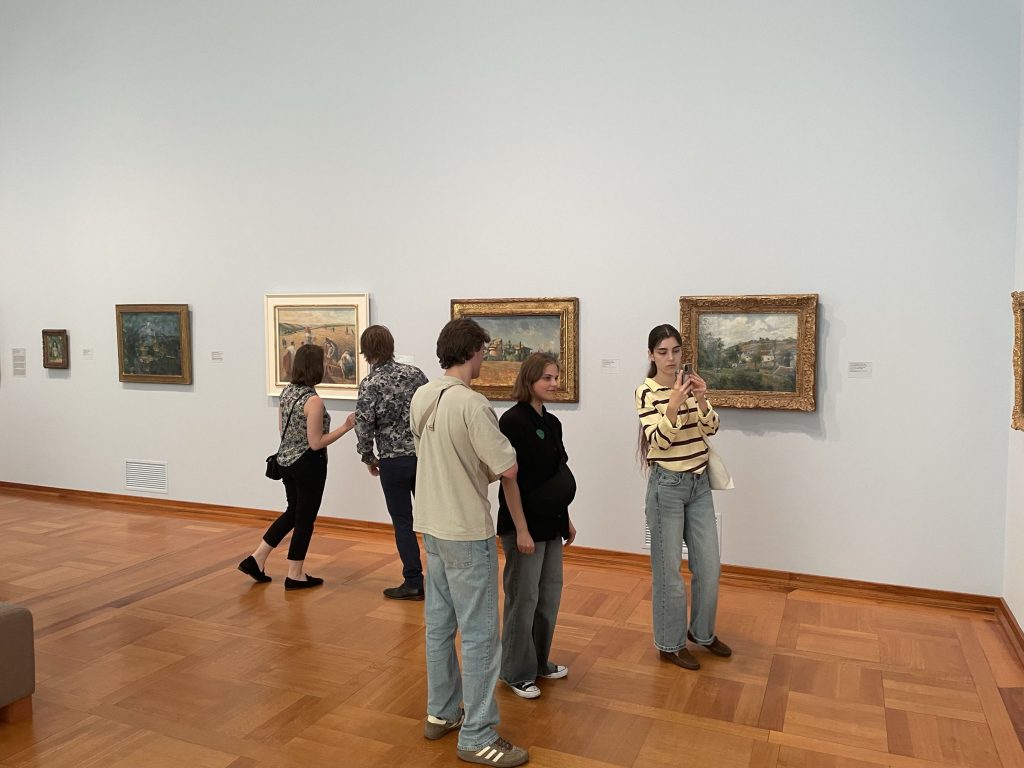
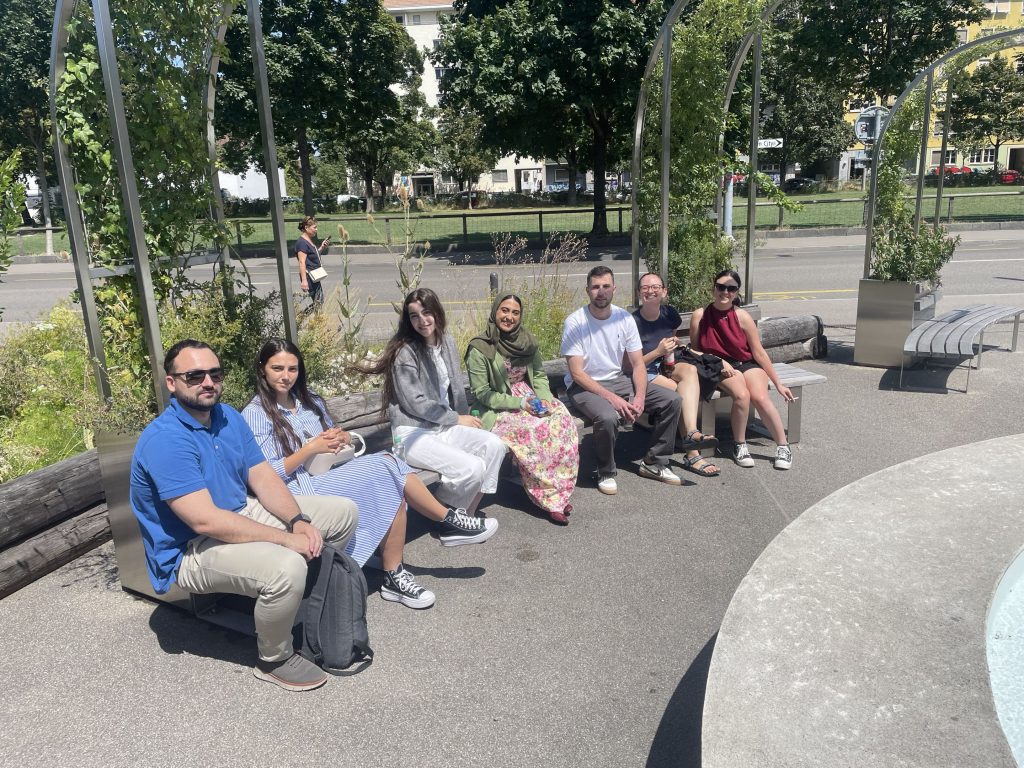
Beyond the academic program, participants bonded by working, researching, visiting and eating together every day, with countless opportunities for informal exchanges beyond the classroom. Meals quickly became extensions of the discussions, with conversations continuing long after the lectures had ended. These moments of conviviality were complemented by activities organized by the students themselves, including swimming in the Rhine, one of Basel’s best-known summer traditions, and visits to several of the city’s cultural institutions, including the Kunstmuseum Basel, one of the world’s oldest public art museums. Many participants remarked that these informal moments were just as valuable as the lectures in helping them understand one another’s different cultural and national perspectives.
The organizers described this year’s summer university program in Basel as one of the most productive in recent years. It was particularly encouraging that students were able to create research and study groups with cohorts from different countries. Iranian, Israeli and Arab students were able to conduct friendly discussions, while having different and even opposing opinions on political conflicts. “You could feel that the spirit of Aladdin – mutual knowledge, mutual respect – was present throughout the course,” said Jules Thomas, the program coordinator.
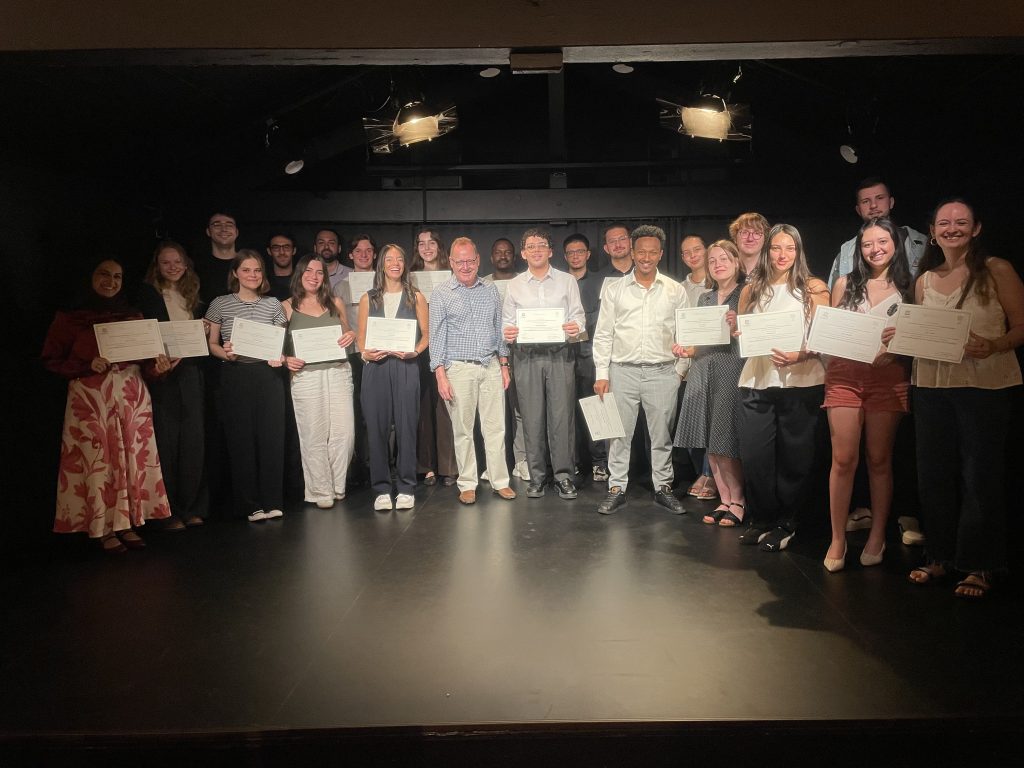
The programme concluded with a graduation ceremony during which Professor Maurus Reinkowski of the University of Basel presented participants with diplomas recognising them as Young Ambassadors for Intercultural Dialogue. The distinction recognises the successful completion of the programme and encourages participants to continue promoting dialogue, critical thinking and mutual understanding within their academic, professional and civic communities.
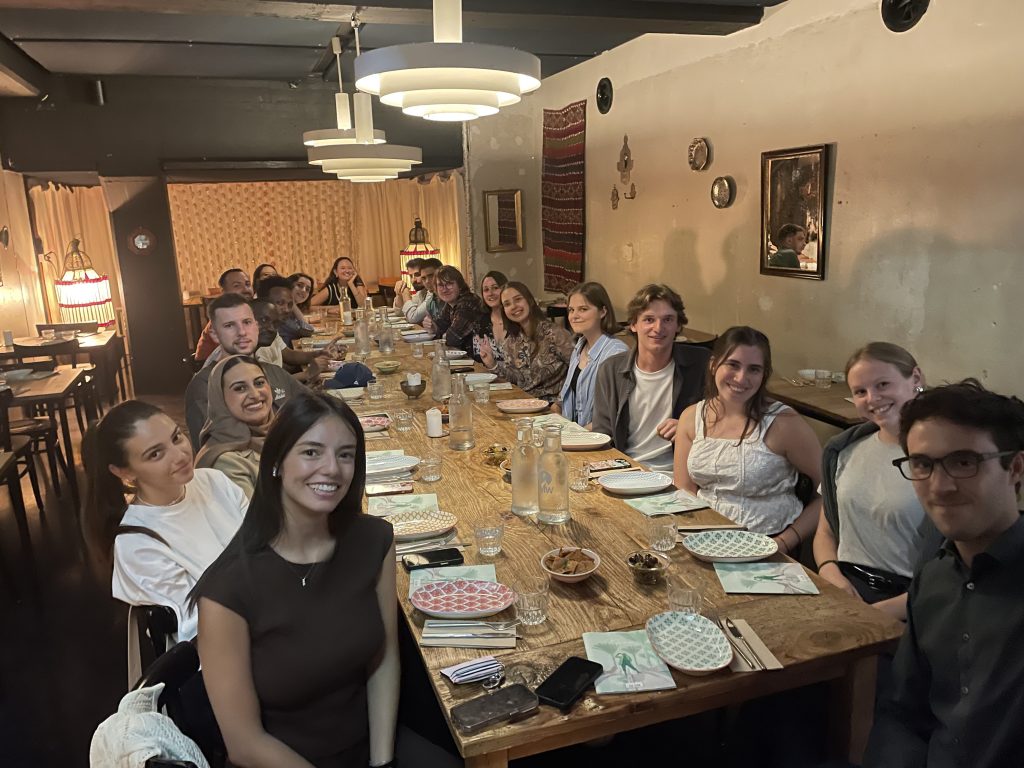
Participants’ feedback reflected the impact of the programme well beyond its academic content. Many highlighted the opportunity to discuss complex and often sensitive issues with peers from different cultural, religious and national backgrounds in an atmosphere of mutual respect.
As one participant from the Graduate Institute of Geneva observed, “I expected to learn about artificial intelligence. What surprised me most was how much I learned about the way people from different countries approach the same global challenges and how necessary it is that we solve these issues together.”
Another student from Sciences Po Paris reflected that “The lectures were intellectually demanding, but the conversations that continued afterwards were just as valuable. They forced me to question assumptions I had never really examined before.”
Many participants also expressed their intention to remain in contact with one another and to continue developing the academic and personal relationships established during the programme.
Photo : Participants of the International University for Intercultural Leadership 2026 receiving their diplomas as Young Ambassadors for Intercultural Dialogue at the University of Basel.