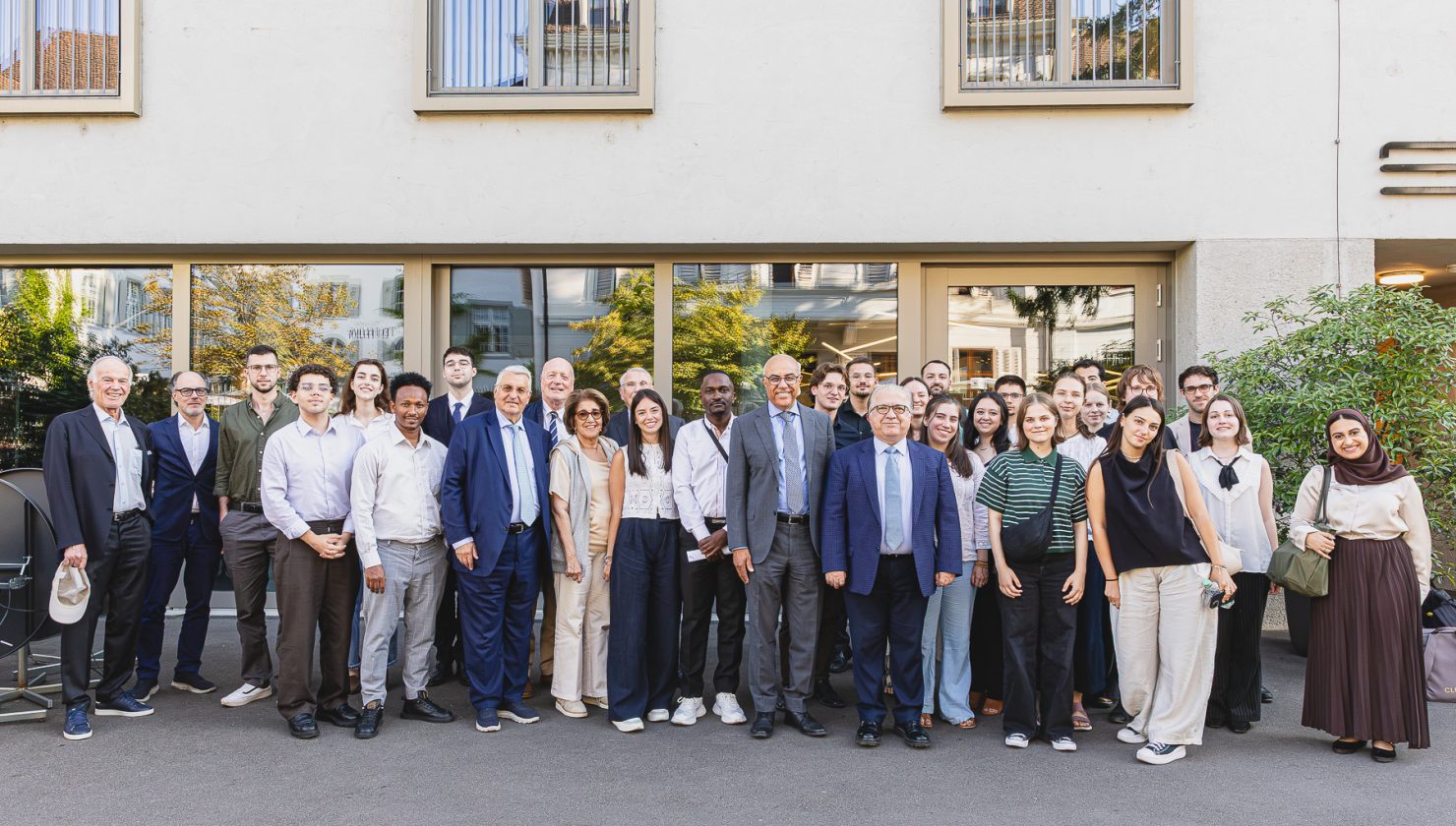
Project Aladdin and the University of Basel, with the support of the Swiss Ministry of Foreign Affairs, launched on Monday, July 20, the 2026 edition of the International University for Intercultural Leadership (IUIL) with a panel discussion on “Disinformation and Hate Speech in the Age of Social Media and Artificial Intelligence.”
The meeting brought together students from Project Aladdin’s partner universities across Europe, the Middle East and Africa who are taking part in this year’s International University for Intercultural Leadership. Also present were several members of Project Aladdin’s Board of Directors, including Vice-President Bariza Khiari, Joel Herzog and Renaud Girard.
Several distinguished philanthropists, including John Goldsmith, President of the Anne Frank Fonds; Andreas Guth, Chairman of the Board of Directors of Dreyfus Sons & Co., Nadia Guth-Biasini, president of the Board of the Jewish Museum of Switzerland and Professor Klaus Mangold, Chairman of Mangold Consulting and a leading figure in the German business and industrial community, attended the opening seminar.
Project Aladdin Chairman Yves Kugelmann welcomed the students and the participants to Basel. He read the messages sent by Ambassador Wolfgang Amadeus Bruelhart, Switzerland’s Special Envoy to the Middle East and North Africa, Project Aladdin’s Honorary Chair Dr. Leah Pisar, and Mr. Aliou Diallo, an African pioneer in clean energy and hydrogen technology who is among IUIL’s chief sponsors. The chairman extended the gratitude of Project Aladdin to the Swiss Federal Department of Foreign Affairs, Mr. Aliou Diallo and the University of Basel for their support of this year’s IUIL. He stressed that diversity, far from being a source of division, becomes a strength when accompanied by dialogue, curiosity and mutual understanding. He encouraged the students to make the most of the program by engaging with fellow participants from different backgrounds, convinced that human encounters remain the most effective antidote to prejudice and hate speech.
Abe Radkin, Project Aladdin’s Secretary General, noted that the IUIL was launched by Project Aladdin in 2013 with only five participating universities, but has now grown to more than 90 partner universities with a network of 600-plus alumni. He urged the students to take maximum advantage of their time in Basel not only to develop a deeper understanding of disinformation and hate speech but also get to know the cultures of the other students and explore the city of Basel, with its rich history and cultural heritage.
Noting that the students were from different countries in Europe, the Arab world, Israel and Iran, he emphasized that “Our objective is not to create consensus or to erase differences. Democracies don’t require everyone to think alike; they require people to disagree with respect, to challenge ideas without rejecting individuals, and to remain willing to listen even when they are convinced that they are right.”
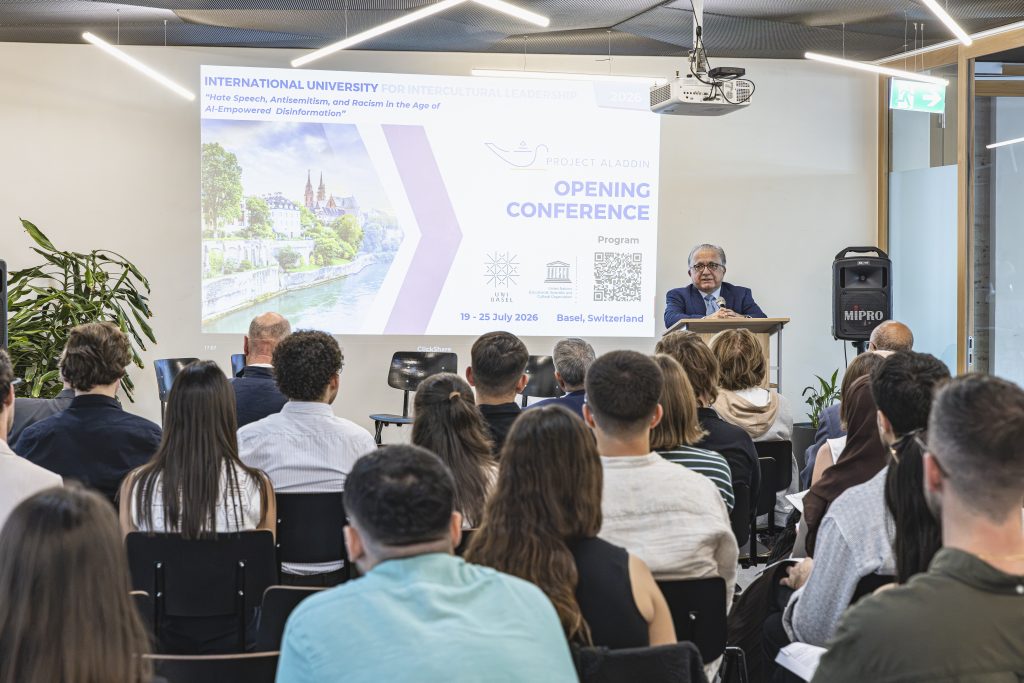
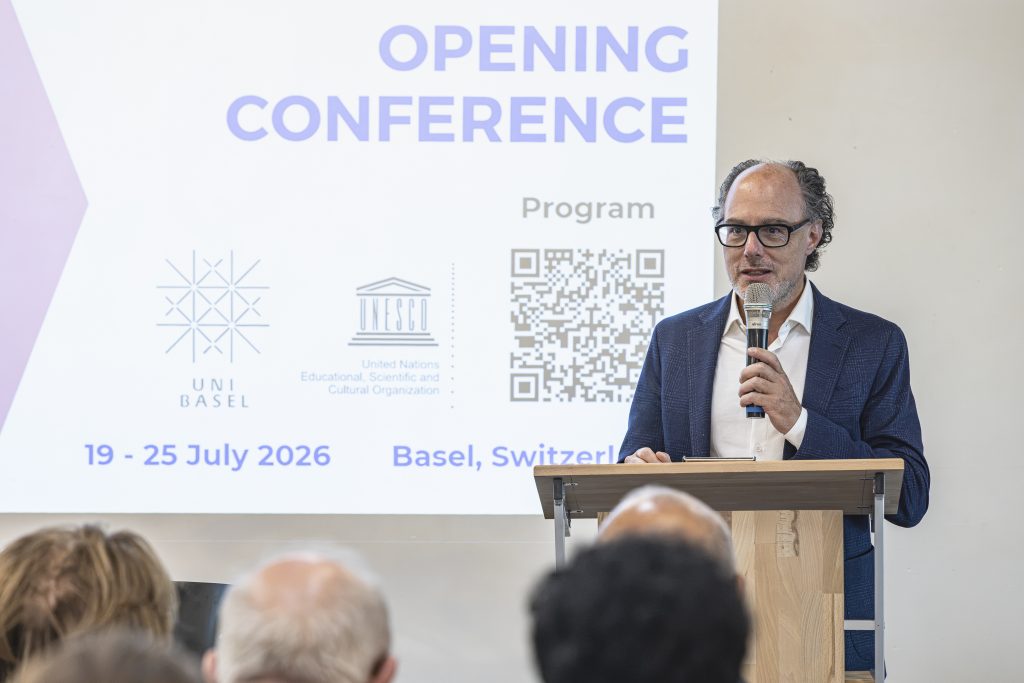
Following these opening remarks, a panel discussion began on the impact of social media and artificial intelligence on democracy.
Bariza Khiari, President of the ALIPH Foundation for the protection of cultural heritage in conflict zones, devoted her speech to the impact of artificial intelligence on democratic societies. While highlighting AI’s considerable potential in the advent in research, healthcare and education, she also warned against the proliferation of manipulated content, deepfakes and hate speech amplified by social media. The response, she noted, cannot rely solely on legislation; it must also be grounded in education, critical thinking and discernment. She further elaborated the concept of “cognitive heritage,” referring to the body of shared knowledge, critical methods and common references that enable citizens to distinguish truth from falsehood and preserve democratic debate based on shared facts.
Bariza Khiari also argued that European Muslims engaged in intellectual life have a responsibility to look beyond their own communities and engage with other cultures and traditions rather than remaining confined within what she described as “incestuous” circles of thought that cannot produce new ideas. In her view, intercultural dialogue is not only a means of understanding others but also a way of enriching one’s own cultural and intellectual heritage.
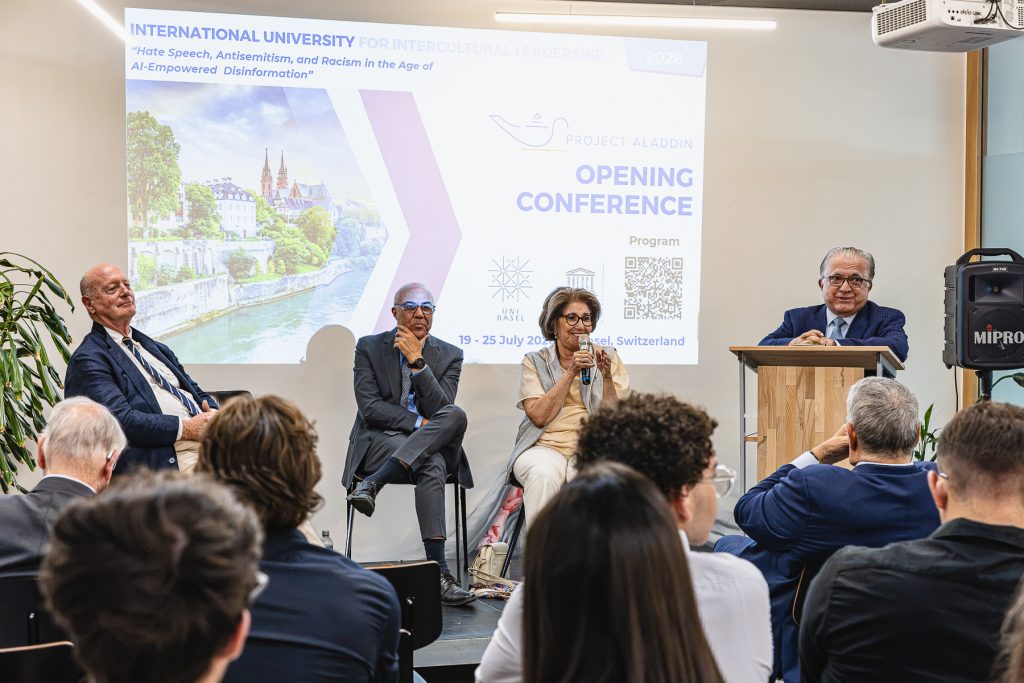
Drawing on his experience when he was president of the University of Marrakech and later Minister of Higher Education of Morocco, Professor Abdellatif Miraoui argued that the accelerating pace of technological change requires a profound rethinking of higher education. He emphasized the need to prepare future generations through greater international mobility, stronger academic cooperation and the development of transversal skills. In an era shaped by artificial intelligence and the unprecedented circulation of information, he maintained that universities must cultivate not only technical expertise, but also the critical thinking, adaptability and intellectual discernment needed to navigate an increasingly complex digital landscape and international academic networks.
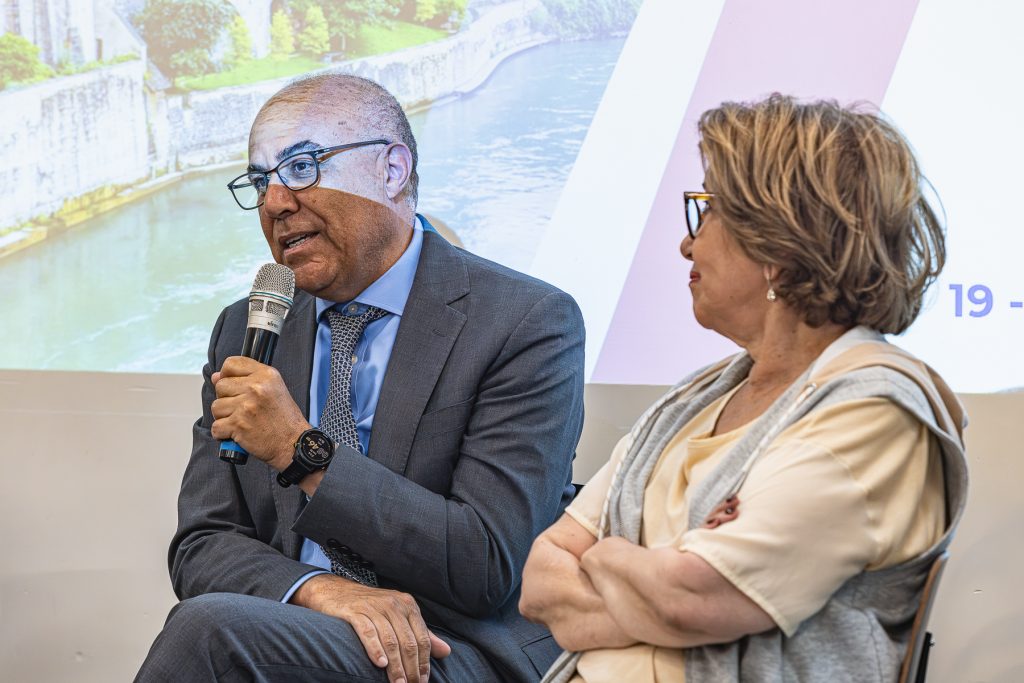
Drawing on decades of experience as a war reporter and later a professor of geopolitics, Renaud Girard argued that disinformation thrives where historical knowledge and intellectual curiosity are lacking. He observed that the contemporary media environment, increasingly driven by the immediacy of social media amplification, often favors simplified narratives over complexity, making it easier for false or misleading accounts of international events to spread. Artificial intelligence, he noted, has further accelerated this phenomenon by making the production and dissemination of convincing but fabricated content faster, cheaper and more accessible than ever before. In his view, these developments pose a serious challenge to democratic societies, where informed public debate depends on citizens’ ability to distinguish fact from manipulation. To counter this trend, he stressed the need to cultivate a broader understanding of history, geopolitics and world affairs, enabling citizens to place information in context, exercise critical judgement and better resist the disinformation and online manipulation that increasingly shape the digital public sphere. He concluded that rigorous journalism and historical education remain indispensable safeguards against these distortions.
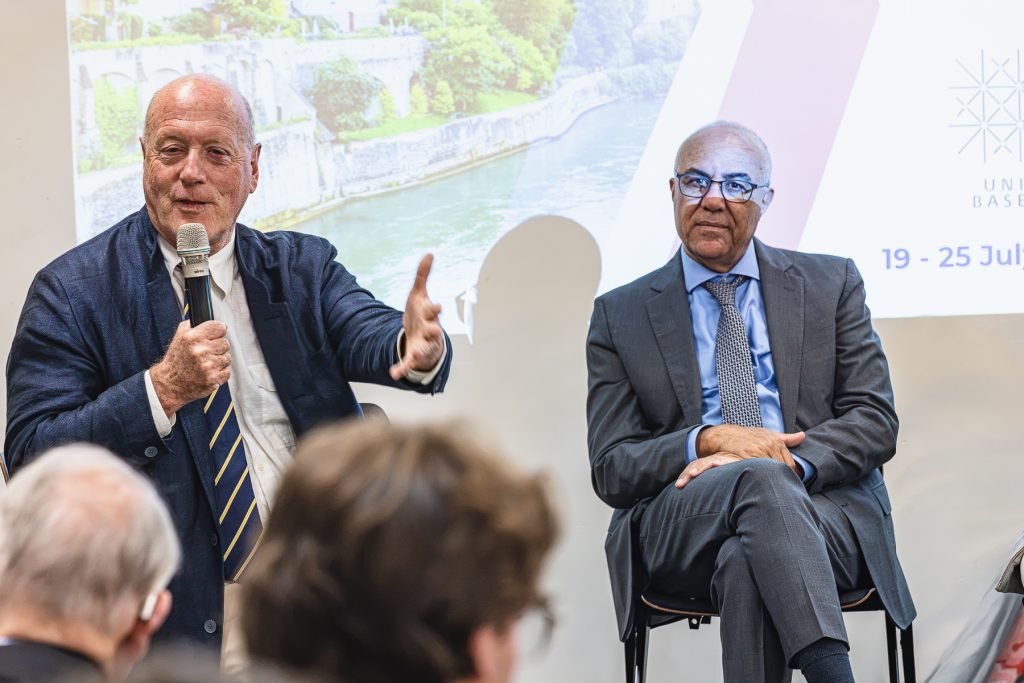
The panel discussion concluded with an animated question-and-answer session, as students asked questions about the different facets of transformations brought about by artificial intelligence and social media. Questions ranged from AI regulations and academic freedom to the role of governments in combating online hate speech. Several exchanges focused on the limits of legislation and the role of education in strengthening democratic resilience.
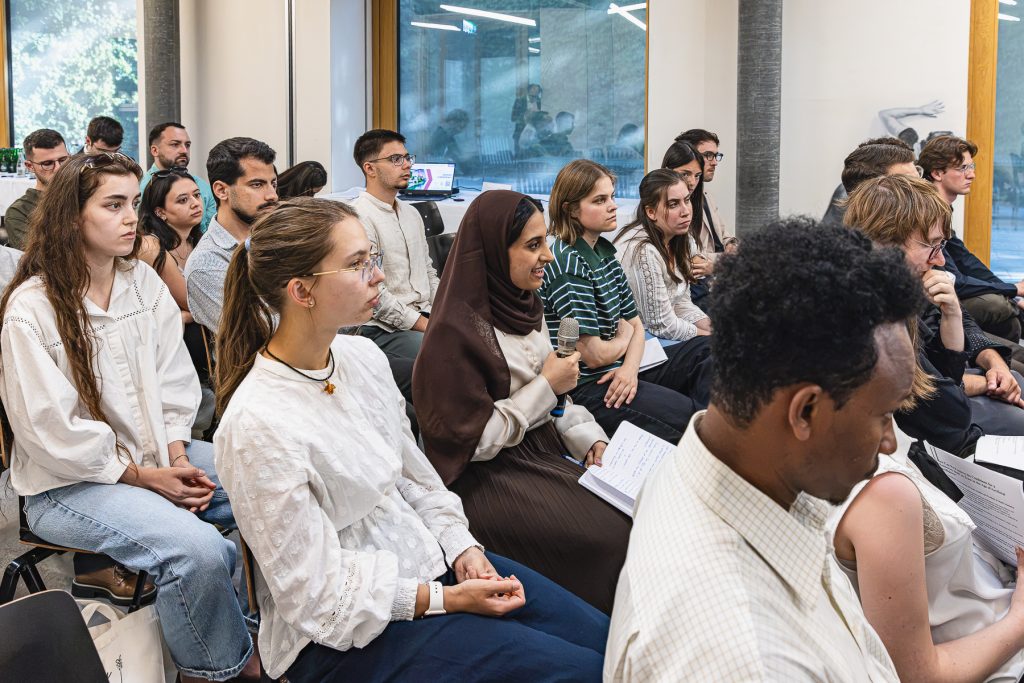
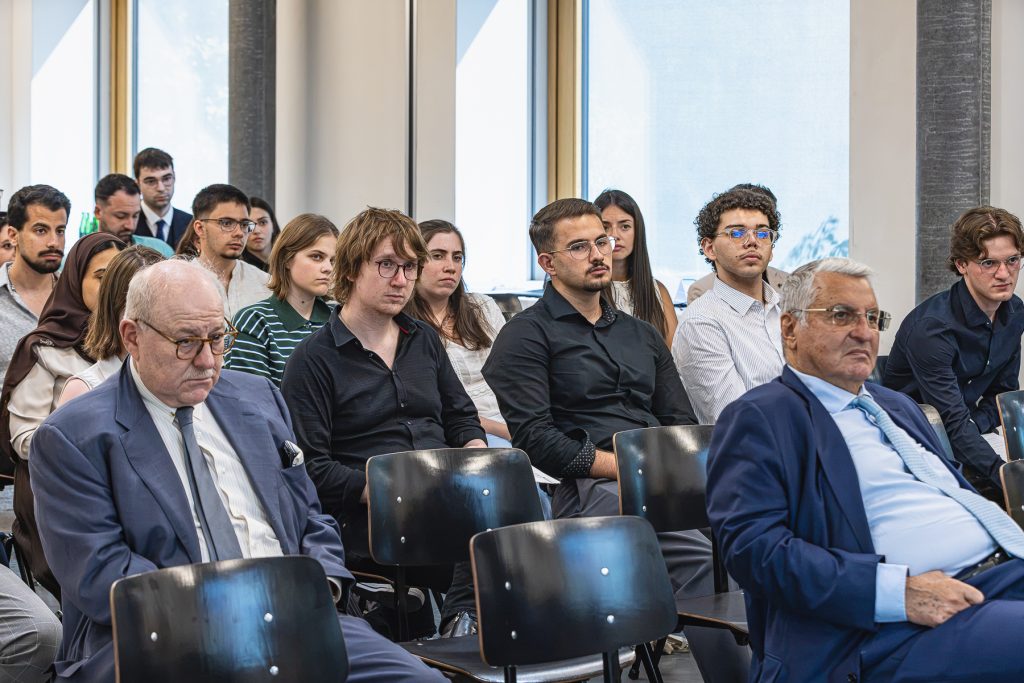
Joël Herzog, Chairman of Project Aladdin Switzerland, concluded the panel discussion by reminding the participants that dialogue, cooperation and youth engagement remain the strongest safeguards against extremism and hate speech. He encouraged the students to make the most of their stay in Basel by building lasting relationships and becoming ambassadors of intercultural dialogue within their respective societies.
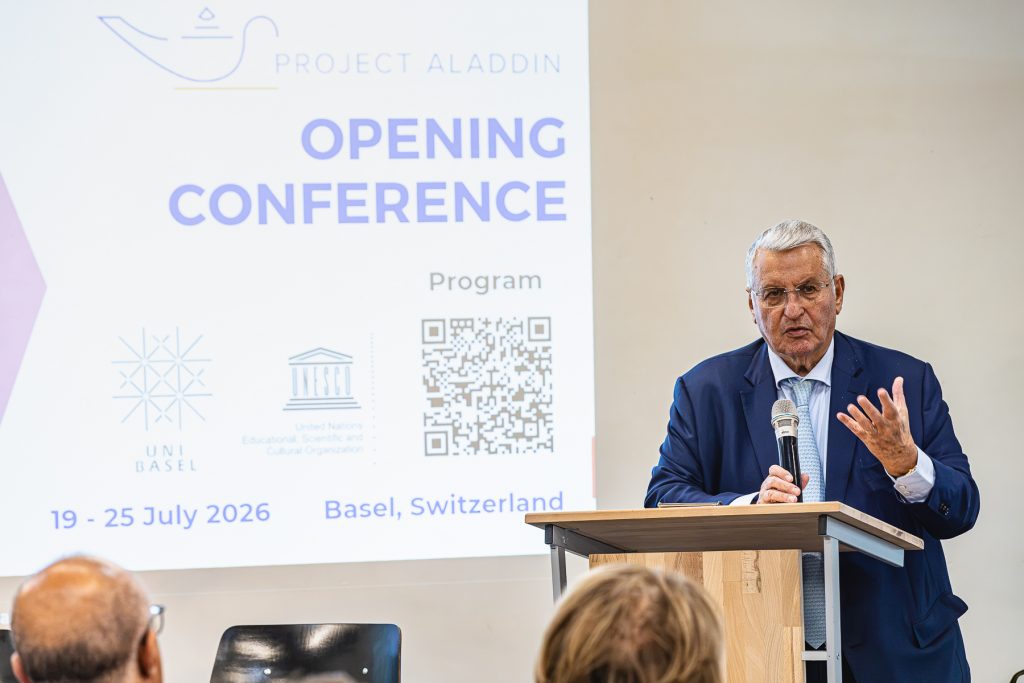
This opening panel discussion set the tone for the 2026 program of the International University for Intercultural Leadership, inviting participants to reflect on the role that artificial intelligence, critical thinking and intercultural dialogue will play in preserving democratic societies.
Photo : Students, Speakers and guests participating in the meeting